
Dear Experts, Academicians, and Professionals in the Field of Emergency Aid and Disaster Management,

This year, we aim to unite all graduates, students, and academicians from our field to create a platform for sharing the latest scientific developments and field advancements globally, informed by our undergraduate education in Emergency Aid and Disaster Management.

The recent earthquakes in Kahramanmaraş on February 6 have highlighted the pressing need for a fundamental overhaul of Türkiye’s Emergency Aid and Disaster Management system. We must prioritize the establishment of a structurally resilient infrastructure. In terms of structural integrity, it is essential to maintain natural and human-induced risks at manageable levels; this is the foremost priority. Specifically, the strength of buildings is critical in addressing earthquake hazards. The effectiveness of engineering services plays a pivotal role in this regard. Additionally, we must focus on preparation, intervention, and improvement efforts. While Türkiye has made significant strides in preparatory work since the 1999 Marmara Earthquake up to the recent Kahramanmaraş Earthquakes, the scale of the disaster and the challenges of inter-institutional integration have once again highlighted the necessity for a comprehensive approach to disaster management. Implementing a holistic methodology during the preparation phase is crucial to ensuring that our emergency aid system operates effectively and efficiently during and after any disaster.

Türkiye is a country that must enhance its preparedness for emergencies and disasters, not only within its borders but also in both nearby and distant regions. The human tragedy unfolding in Palestine, the ongoing conflict in Ukraine, the harsh realities stemming from the Syrian civil war, and various civil and military tensions across the globe all underscore the necessity for Türkiye to strengthen its civil protection and defense capabilities.

The Disaster and Emergency Management Presidency (AFAD), established in Türkiye in 2009, has struggled to define its role fully. Originally intended to focus on coordination, it has gradually assumed operational responsibilities over time. The events of the February 6 Kahramanmaraş Earthquakes and the subsequent response from emergency aid services have revealed the need for a redesign of the existing system. It has become evident that the AFAD organizational structure requires multidisciplinary experts who possess comprehensive knowledge of various hazards, along with a holistic and analytical approach to human resources management. Additionally, functions demanding operational and tactical coherence, such as the central and provincial organizations of the General Directorate of Emergency Health Services within the Ministry of Health, as well as the Disaster Coordination Centers linked to local governments, should be managed under a unified hierarchy through the establishment of a Ministry of Emergency Aid and Disaster Management.

In a meeting held in 2025, the Board of Directors of AYAYDER (Association for Emergency Aid and Disaster Managers) decided to host the 1st International Congress on Emergency Aid and Disaster Management. This event aims to bring together colleagues, faculty members, students, and all those involved in advancing the field of emergency aid and disaster science, marking the 15th anniversary of the initiation of academic education in undergraduate programs for Emergency Aid and Disaster Management.

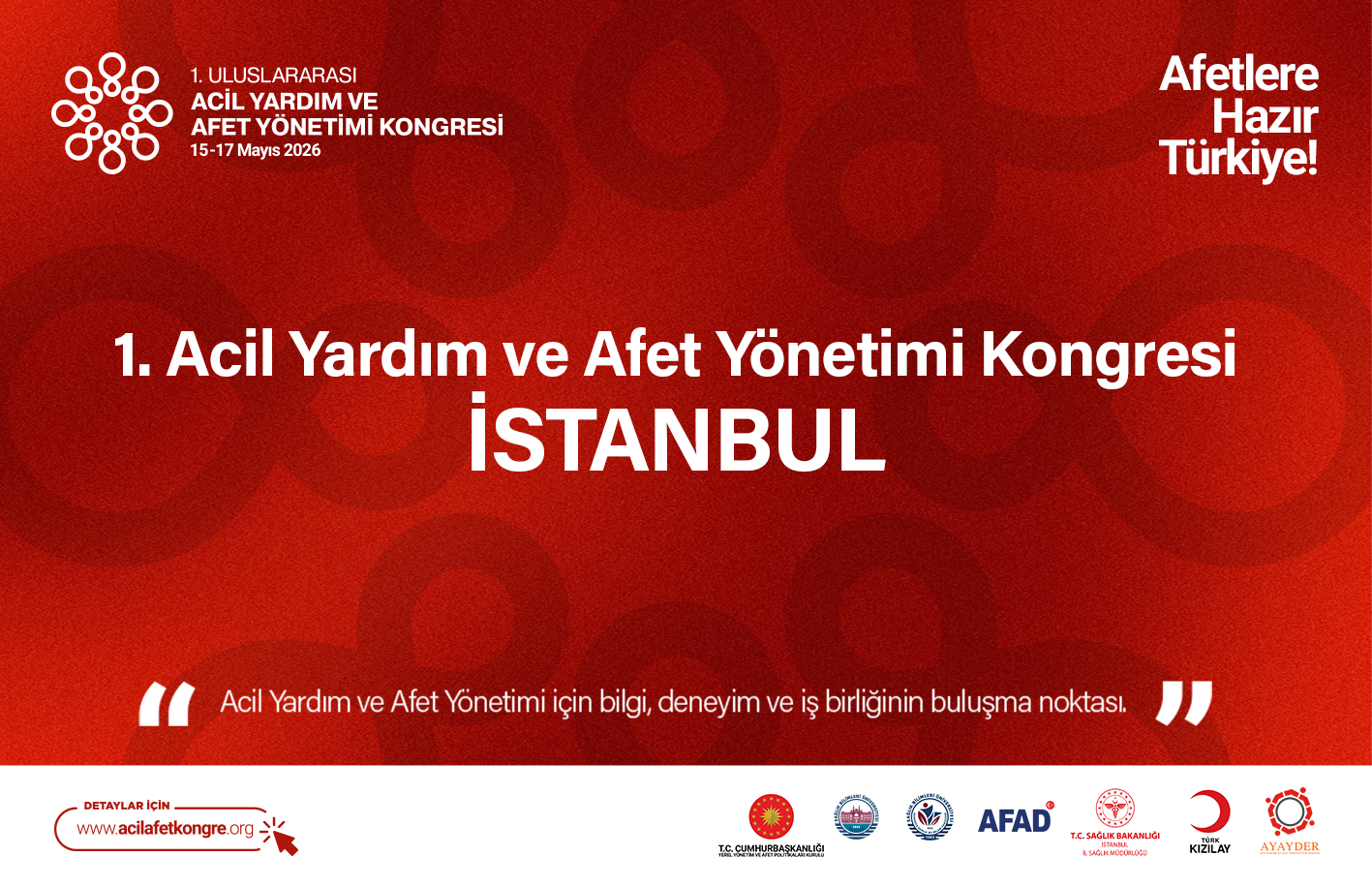
As members of AYAYDER ACADEMY, it is essential for you to present your research at the Congress scheduled to take place in Istanbul in 15-17 May, 2026. We encourage you to share your insights and viewpoints by participating in the professional discussions planned for the event. This Congress is crucial for fostering cohesion within the field of Emergency Aid and Disaster Management and addressing all facets of the discipline from a scientific standpoint. The core concept of the Congress will encompass the acceptance of papers on a wide range of pertinent topics, focusing primarily on disaster medicine, disaster management, emergency health services, search and rescue operations, first aid and emergency assistance, fire safety and firefighting, disaster education, emergency aid services, emergency planning, preparation efforts, CBRN issues, civil defense, civil protection, as well as climate change and its implications for local governments about disaster matters.

We strive to collaborate with Türkiye’s universities and institutions in the realm of emergency aid and disaster management as key stakeholders of the Congress. Given the international character of the event, we anticipate contributions from global institutions, organizations, and prominent speakers in the field of emergency aid and disaster management who will participate online.

You can stay updated on the congress activities and access the paper calendar by visiting our website at www.acilafetkongre.org and following our association’s official social media accounts…

GENERAL INFORMATION

Congress Date & Venue

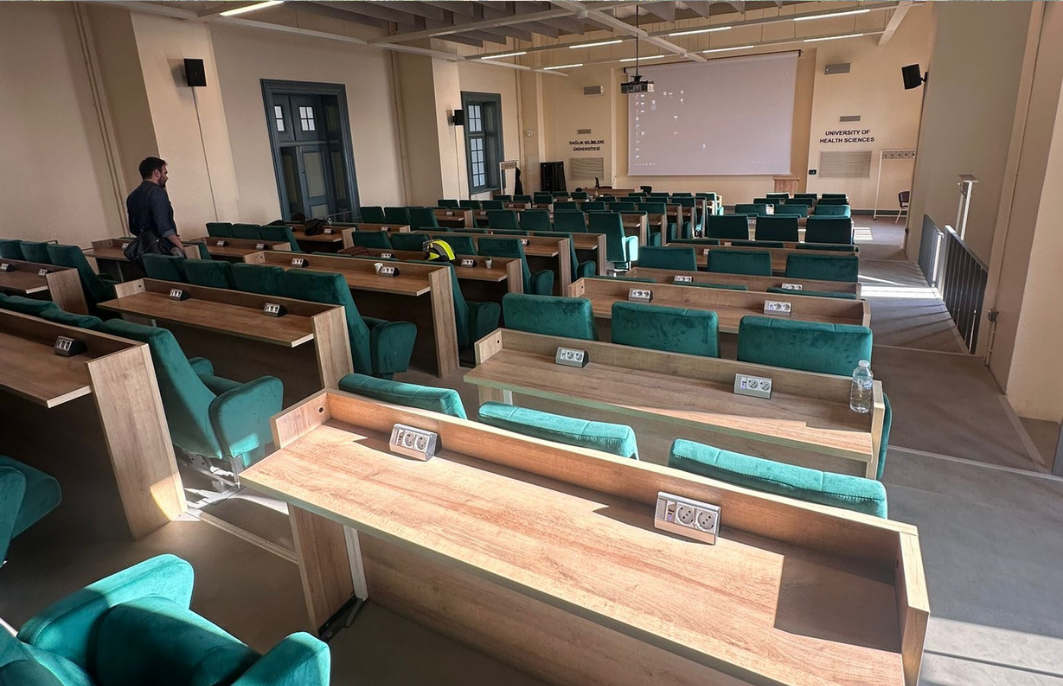
The congress will be held in Istanbul between 15–17 May 2026.

Congress Language

The official languages of the congress are Turkish and English. Simultaneous translation will be provided.

Certificate of Participation

Participants will receive their certificate of attendance via e-mail after the completion of the congress.

Presentation Format

All accepted abstracts will be presented orally during the congress.

Congress Book

The papers of participants who have completed their congress registration and whose papers have been accepted will be published in the supplementary issue of the Journal of Emergency Aid and Disaster Science.

Registration

Registration must be completed through the “Registration” link on the congress website. In order to upload and submit an abstract, participants are required to create a registration profile in the system.

ORGANIZERS

SUPPORTERS